
06.07.2026
Introduction
What Makes a Website "Modern"?
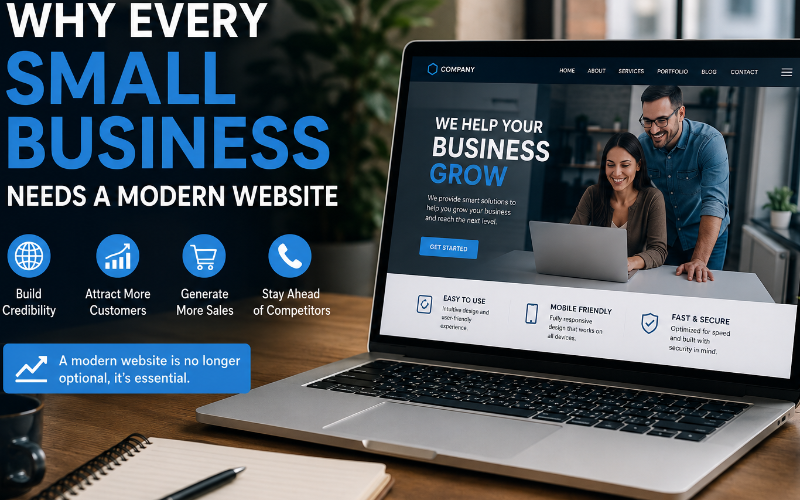
A modern website is more than just a digital brochure. It's fast, mobile-friendly, secure, easy to navigate, and built with the customer's experience in mind. Modern websites use clean design, clear typography, intuitive menus, and up-to-date technology to load quickly on any device. They're also built to work seamlessly with search engines, so potential customers can actually find them. In short, a modern website isn't just about looking good—it's about performing well, functioning smoothly, and reflecting the professionalism of the business behind it.
Why an Online Presence Is Essential Today
Today, a business without a website is often invisible to a huge portion of its potential audience. Most people research a business online before they ever call, visit, or make a purchase. Whether someone is looking for a local plumber, a boutique clothing store, or an accountant, their first stop is almost always a search engine or social media. Without a website, small businesses miss the opportunity to be found, evaluated, and trusted by these potential customers. An online presence isn't a luxury anymore—it's the foundation of doing business in a connected world.
First Impressions Matter
Your Website Is Your Digital Storefront
Just like a clean, well-organized physical store invites customers in, a well-designed website invites visitors to explore what a business has to offer. For many small businesses, the website is the very first interaction a potential customer has with the brand. It sets expectations for quality, professionalism, and reliability before a single conversation takes place. A cluttered, outdated, or confusing website can turn visitors away in seconds—often before they even read a word of content.
Building Trust with Professional Design
Trust is earned quickly or lost quickly online. A professional design with consistent branding, clear messaging, and polished visuals signals to visitors that a business is legitimate and takes itself seriously. On the other hand, a poorly designed site can raise doubts, even if the business itself is trustworthy and high-quality. Investing in professional design pays off by reassuring visitors that they're in good hands.
Reach More Customers Online
How Customers Search for Local Businesses
Most consumers turn to search engines like Google to find local businesses, often using phrases like "near me" or including their city name in searches. A website—especially one optimized for local SEO—makes it possible for a business to appear in these search results, map listings, and directions requests. Without a website, a business risks losing these opportunities to competitors who rank higher online.
Expanding Beyond Your Local Market
While many small businesses focus on local customers, a website also opens the door to a much broader audience. Whether you're selling products online, offering remote services, or building brand awareness across multiple regions, a professional website removes geographical limitations and supports long-term business growth.
Generate More Leads and Sales
Converting Visitors into Customers
Driving traffic to your website is only the beginning. A successful website guides visitors through the buying journey with engaging content, trust signals, and easy navigation. Clear messaging and user-focused design encourage visitors to take action, increasing your chances of turning them into paying customers.
Using Contact Forms and Call-to-Action Buttons
Contact forms and strong call-to-action (CTA) buttons play a major role in lead generation. Buttons such as "Get a Free Quote", "Schedule a Consultation", or "Contact Us Today" make it simple for visitors to connect with your business. Strategic CTAs placed throughout your website help maximize conversions.
Improve Brand Credibility
Showcase Your Products and Services
Your website provides a dedicated space to present your products and services with detailed descriptions, high-quality images, pricing information, and specifications. This helps potential customers understand exactly what you offer and why they should choose your business over competitors.
Display Customer Reviews and Testimonials
Customer testimonials and online reviews are powerful forms of social proof. Positive feedback from satisfied clients increases trust, strengthens your reputation, and reassures potential customers that they're making the right decision by choosing your business.
Mobile-Friendly Design Is No Longer Optional
The Rise of Mobile Users
Today, more people browse the internet using smartphones than desktop computers. If your website isn't optimized for mobile devices, you risk losing a significant number of potential customers. A mobile-friendly website ensures visitors enjoy a smooth browsing experience regardless of the device they use.
Benefits of Responsive Web Design
Responsive web design automatically adjusts your website's layout, images, and content to fit different screen sizes. This improves usability, reduces bounce rates, increases engagement, and supports better rankings in search engine results.
Better Search Engine Visibility
How SEO Helps Small Businesses
Search Engine Optimization (SEO) helps your website appear higher in Google search results for relevant keywords. Better visibility means more organic traffic, more qualified leads, and increased opportunities to grow your business without relying solely on paid advertising.
Importance of Fast Loading Speed
Website speed directly affects user experience and SEO performance. Visitors expect pages to load within a few seconds. Slow websites often experience higher bounce rates and lower search rankings, making speed optimization essential for online success.
A Cost-Effective Marketing Tool
Website vs. Traditional Advertising
Traditional advertising methods such as newspapers, magazines, billboards, and radio can be expensive and often provide limited ways to measure their effectiveness. A website, on the other hand, works around the clock, reaching potential customers whenever they search for your products or services. It offers a significantly higher return on investment while requiring relatively low ongoing maintenance costs.
Supporting Digital Marketing Campaigns
Your website serves as the foundation of every digital marketing campaign. Whether you're running Google Ads, social media promotions, email marketing, or content marketing, all roads lead back to your website. A professional website ensures visitors receive the information they need and are encouraged to take action.
24/7 Business Availability
Let Customers Find Information Anytime
Unlike a physical store with fixed operating hours, your website is available 24 hours a day, seven days a week. Customers can browse your products, learn about your services, read customer reviews, and find contact information whenever it's convenient for them.
Accept Inquiries Outside Business Hours
Modern websites include features like contact forms, online booking systems, live chat, and AI-powered chatbots that allow businesses to capture leads even after business hours. This means you never miss potential customers simply because your office is closed.
Stay Ahead of the Competition
Why Competitors Are Investing in Better Websites
Today's customers expect every legitimate business to have a modern, professional website. Businesses that invest in high-quality websites attract more visitors, build stronger trust, and often outperform competitors who rely only on social media or outdated websites.
Features That Give You a Competitive Advantage
Features such as live chat, online appointment booking, customer portals, secure payment gateways, fast page loading, personalized content, and mobile optimization help create a superior customer experience. These features can significantly increase customer satisfaction and conversion rates.
Essential Features Every Modern Small Business Website Should Have
Responsive Design
A responsive website automatically adjusts its layout for desktops, tablets, and smartphones, ensuring visitors enjoy the best possible browsing experience regardless of the device they use.
Fast Performance
Fast-loading websites improve user experience, reduce bounce rates, and increase customer satisfaction while also helping improve search engine rankings.
Secure HTTPS Connection
An SSL certificate protects customer data by encrypting communications between the visitor and your website. HTTPS also increases customer trust and is a confirmed Google ranking factor.
Clear Navigation
Simple and intuitive navigation helps visitors quickly locate important information without frustration. Well-organized menus improve usability and encourage users to explore additional pages.
Contact Information
Your phone number, email address, office location, business hours, and contact form should be easy to locate on every page. Making it simple for customers to reach you can significantly improve lead generation.
Service Pages
Create dedicated pages for each product or service you offer. Individual service pages improve search engine optimization by targeting specific keywords while helping customers understand your offerings in greater detail.
Customer Testimonials
Displaying genuine customer reviews, testimonials, and case studies increases credibility and demonstrates your ability to deliver quality results to prospective clients.
Blog Section
A regularly updated blog helps improve SEO, establishes your expertise, educates potential customers, and attracts organic traffic from search engines.
Social Media Integration
Integrating social media profiles with your website allows visitors to engage with your business across multiple platforms, helping build stronger relationships and improve brand awareness.
Common Website Mistakes Small Businesses Should Avoid
Outdated Design
An outdated website can damage your credibility and create the impression that your business is no longer active or trustworthy. Refreshing your design regularly keeps your brand modern and competitive.
Slow Loading Speed
Slow websites frustrate users and cause visitors to leave before viewing your products or services. Optimizing images, improving hosting, and minimizing unnecessary code can significantly increase website performance.
Poor Mobile Experience
A website that doesn't function properly on smartphones can result in lost customers and lower search rankings. Mobile optimization is essential for delivering an excellent user experience.
Missing Calls to Action
Every important page should encourage visitors to take the next step. Without strong calls to action such as "Request a Quote" or "Schedule a Consultation," visitors may leave without contacting your business.
Ignoring SEO
Even the most attractive website won't generate results if customers can't find it. Implementing SEO best practices improves your visibility and drives long-term organic traffic.
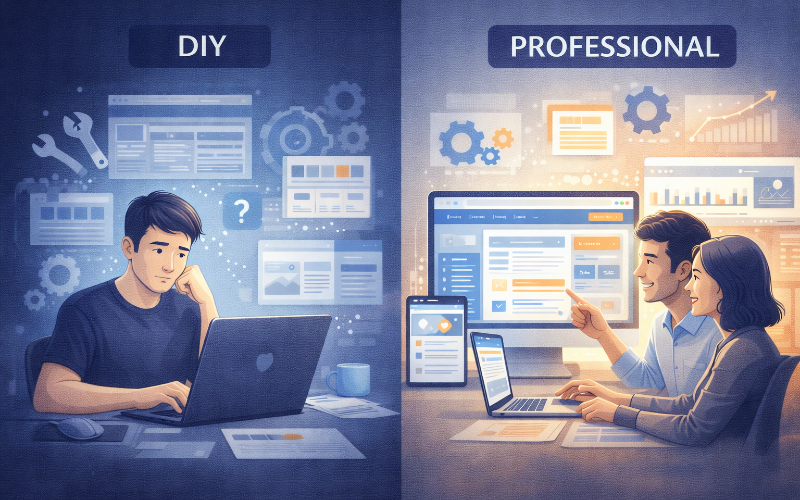
How to Choose the Right Web Development Partner
Experience and Portfolio
Review previous projects and client testimonials before selecting a web development company. A strong portfolio demonstrates experience across multiple industries and showcases the quality of their work.
SEO-Friendly Development
Choose a development partner that follows SEO best practices during the website development process. Clean code, fast performance, mobile responsiveness, and structured content all contribute to better search engine rankings.
Ongoing Maintenance and Support
Your website requires regular updates, security monitoring, backups, and performance optimization. A reliable web development partner should provide ongoing maintenance and technical support after launch.
Frequently Asked Questions
How much does a small business website cost?
Website costs vary depending on design complexity, required features, and customization. Basic websites are generally more affordable, while advanced business websites with custom functionality require a larger investment.
How long does it take to build a website?
A typical small business website usually takes between two and eight weeks to complete, depending on project requirements, content availability, and design revisions.
Can I update my website myself?
Yes. Most modern websites are built using content management systems (CMS) like WordPress, allowing business owners to update text, images, blog posts, and other content without technical expertise.
Does every small business need SEO?
Absolutely. SEO helps your website appear in search engine results, making it easier for potential customers to discover your business online. Even basic SEO can significantly improve visibility and lead generation.
How often should a website be redesigned?
Most businesses should consider redesigning their website every two to three years to keep up with changing technology, user expectations, and search engine best practices.
Conclusion
Invest in a Modern Website for Long-Term Business Growth
A modern website is one of the smartest investments a small business can make. It strengthens your online presence, builds customer trust, improves search engine visibility, generates qualified leads, and supports sustainable business growth for years to come.
Get Started with a Professional Website Today
Whether you're launching a new business or replacing an outdated website, investing in a professionally designed, SEO-friendly website will help you attract more customers and stay ahead of the competition. Start building a website that works as your most valuable marketing asset and drives long-term success.